Showing posts with label Thematic Units. Show all posts

Tuesday, October 18, 2016

Pumpkin Time!

It's that time of year! Students are checking out library books about pumpkins, witches, and trick-or-treating! Must be Halloween! I thought I'd share of a few of my favorite literature-based pumpkin activities to get us all in the spirit of things.

One of my all-time favorite pumpkin books is Pumpkin Jack, by Jack Hubbell.

It's such a great book to use as a core literature link for a thematic science unit!

When I was teaching 1st grade, one of our favorite (months long) activities was to watch and record the decomposition of our own "Pumpkin Jack."  We carved Ol' Jack and left him in a tub or bowl or rot in the classroom for a while.  (Hint: don't stick a carved pumpkin in a plastic bin with the lid on...seriously...gross).


The kids recorded their observations about him, along with measurements of height and weight, in a journal that we kept. We started before we even carved Pumpkin Jack, and used the scientific method to predict what would happen. We also made a plan for when we would record our data, generally once a week or so in the beginning, and then once a month.


Loved that activity!

Next, we used How Many Seeds in a Pumpkin? by Margaret McNamara.  As you can imagine, this book is perfect for math.
When we visited the pumpkin patch for a field trip, I would grab three extra pumpkins.  After weighing and measuring all 3, I'd have the kids predict which one would have the most seeds.  Of course, they'd always guess the biggest one, but as they'd discover, that wasn't generally the case! Then I'd cut and gut the pumpkins and we would would undertake the process of counting seeds.  

Not an easy task with firsties, but it was the perfect opportunity for them to practice counting by 10s! 

A couple of my other "go-to" pumpkin books are From Seed to Pumpkin and Pumpkin Pumpkin. These two are perfect for teaching about the life cycle of pumpkins. I always made a huge pumpkin (bulletin board size) and then put life cycle labels on it to illustrate the life cycle of a pumpkin. We also used these two books as mentor texts of our "All About Pumpkins" informative writing.


There are so many great pumpkin books for creating a thematic unit -- those are just a few of my favorites! If you need some more ideas and resources to get you started, my Pumpkin Unit (with all of these activity resources and more) is available on my TpT store. 


Thursday, January 8, 2015

Literature Links: Something About a Bear by Jackie Morris

Next week we will be starting our "Goldilocks and the Three Bears" Thematic Bear Unit. I love the bear unit in winter because it feels so cozy. I can't keep myself from yawning as I read Sleepy Bears by Mem Fox. My classroom already has teddy bears hanging out in the book nook.

I found a new book this week that will serve as the perfect introduction to the different types of bears we will study.  Something About a Bear,  by Jackie Morris, was featured on the International Reading Association's "The Best Picture Books of 2014". As soon as I saw it, I had to have it.

It arrived today (thanks, Amazon Prime!) and I have to say that I am not disappointed!  Take a look at the gorgeous illustrations!


The book is beautiful, and I love the flowing text that introduces the distinct characteristics of bears around the world.

I hope my students love it as much as I do!

Thursday, November 20, 2014

Turkey Time! Keep Activities Meaningful During Thanksgiving Festivities

I don't know about you, but the week before Thanksgiving is one of the more challenging of the school year. In my district, we have parent-teacher conferences right before the break, which means I have an added layer of objectives to reach this week.

Don't get me wrong -- I LOVE parent-teacher conferences because I get to brag on my students to their greatest fans. But, I have a lot to do if I want to gather meaningful work samples which serve as formative assessments, and complete summative assessments that will direct our progress forward.  (I love using my assessment journal this time of year because the assessment pages give me so much information about my students' progress!)

In other words, this week, I need to...

  • test kids
  • get last minute work samples
  • keep them engaged
A couple of years back, I made a goal to transform Thanksgiving week away from being activity-based (meaning, a lot of things to do, but not a lot of substance), to being instructional activity-based (meaning, the things we do have a meaningful, instructional purpose).  

One of the things I came up with is this cute turkey craftivity that focuses on research and informative writing skills. The kids are loving Turkey Time, and I love the time I get while they are working on their research, writing, and craftivity!


I tie the theme together with fiction turkey books. A class favorite is Run, Turkey, Run! by Diane Mayr.  The kids love calling out "Run, Turkey, run!" 

I hope you have a happy Thanksgiving, and that week leaded up to it isn't too stressful!  Enjoy your family time!


Sunday, October 5, 2014

Farm Fun in the Apple Tree Room!

It has been a busy month in the Apple Tree Room! Take a look at a few of the things we've been doing to develop our research, reading, and writing skills!

We started our farm unit with our week long Apples, Apples, Apples unit. We started by reading The Seasons of Arnold's Apple Tree by Gail Gibbons. The kids did this cut-and-paste activity in which they matched the illustration of the tree to the appropriate season.

Later in the week, they began painting their trees to illustrate the changes in the trees throughout the seasons.

I love this activity because it is so easy to differentiate.  Students who are ready to write independently write sentences describing the trees. Other students can choose an appropriate description and glue it on the page.
The culminating activity was to make an apple pie!  We read How to Make an Apple Pie and See the World. The students wrote "how-to" paragraphs about how to make an apple pie, and then we made it! Yummy!  The how-to posters sure were a big help when students were writing!


Next we started our Farm unit. This group of kiddos needed to spend a bit of time learning how to conduct research before moving into informative writing, so I developed a research chart to help them gather their data.  It's so exciting to see what kids can do when they have the right tools!
We added a simple flap to their charts, made a cute craftivity, and voila!  The student work was displayed in an adorable format!


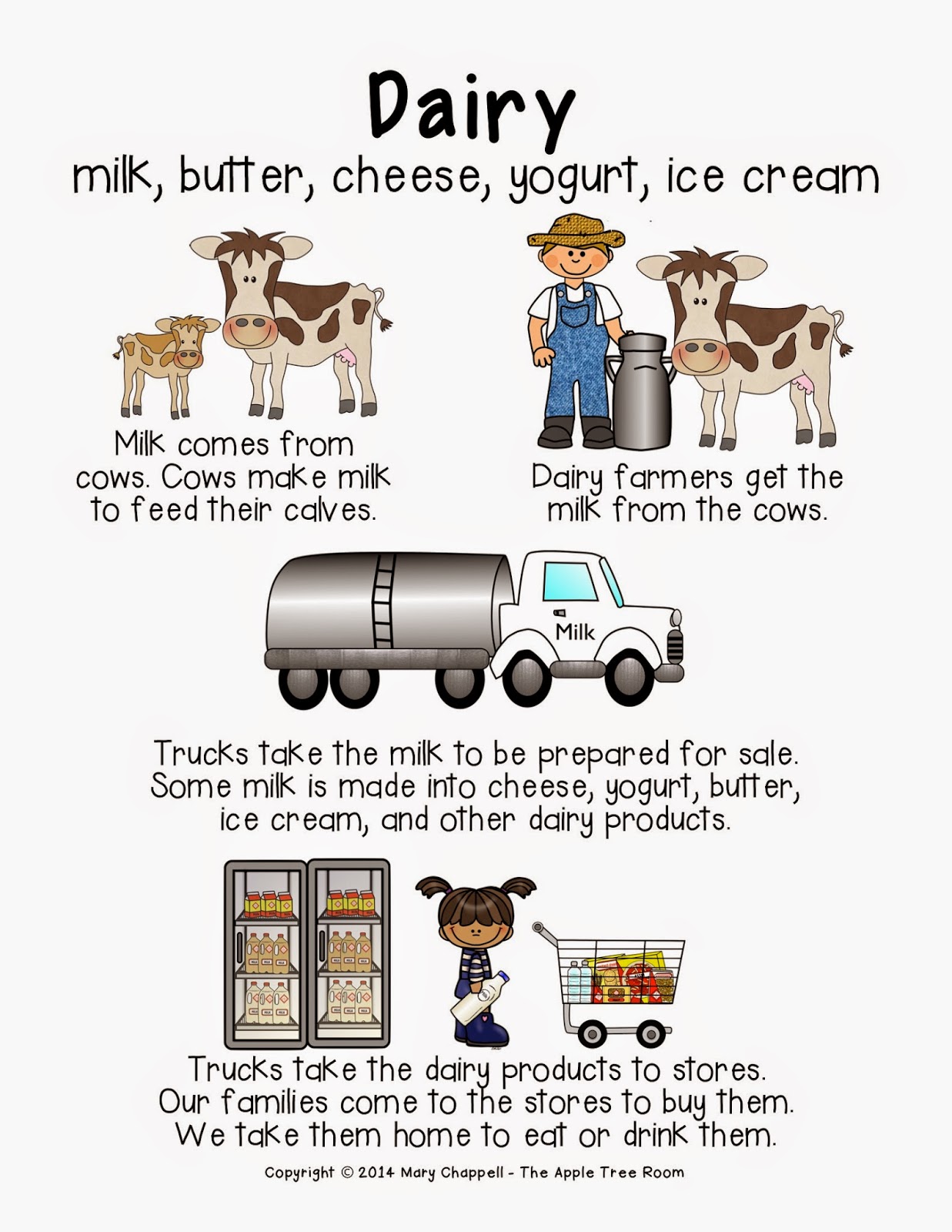
Throughout the unit, we learned more about how food gets from the farm to the table...
 ...identified the names of farm animals....
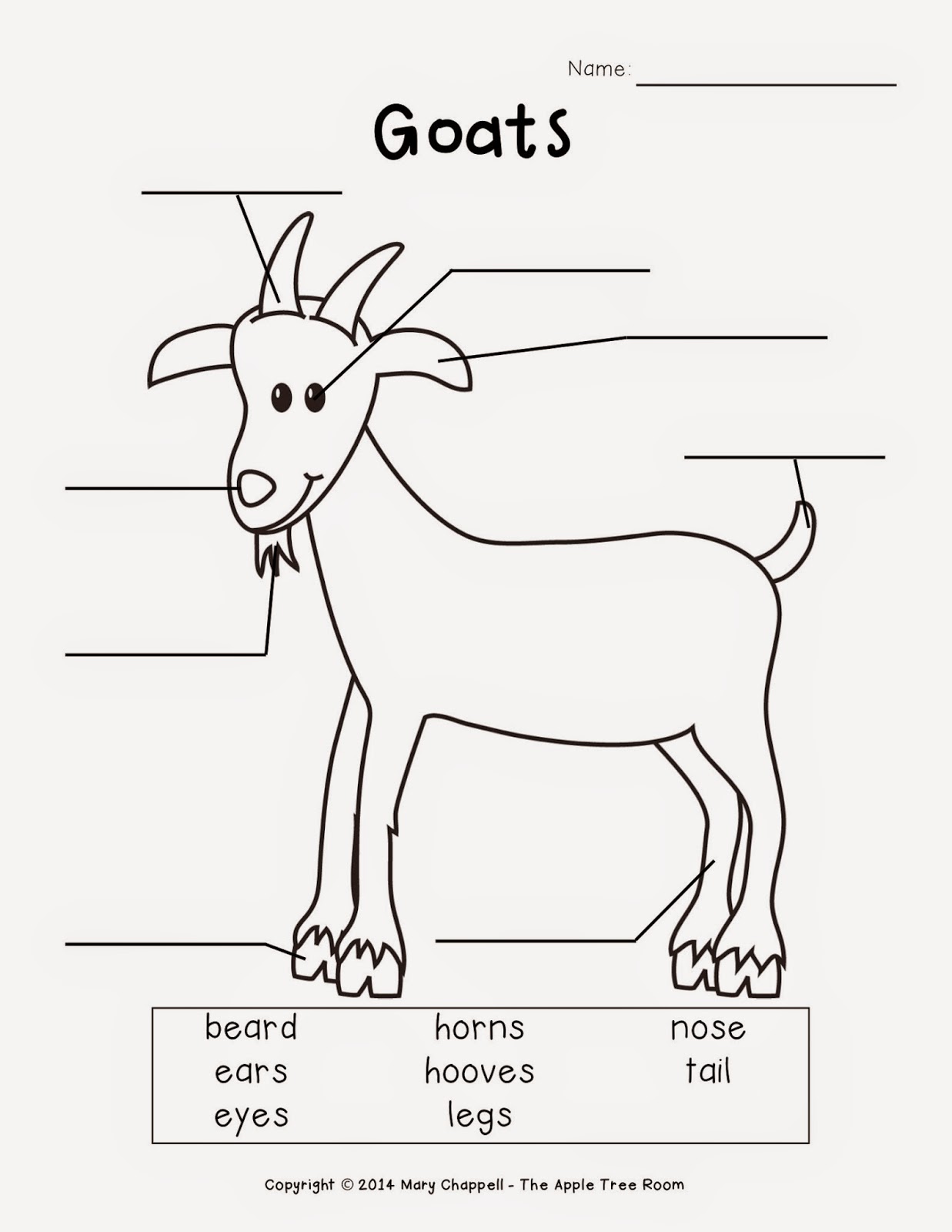
 ...and learned to label animal body parts....

The final step was to transform our researched facts into informative sentences and paragraphs.

I pulled in our Three Little Pigs and The Little Red Hen unit resources to provide students with differentiated reading books. They loved reading these booklets over and over again to each, and couldn't wait to get home to read them to their families!

They especially loved reading a Southwest version of The Little Red Hen and comparing it to the traditional version.
From here, we'll be moving on to a Zoo unit, and then revisit the Farm in late October with our pumpkin unit.

Happy Fall!


Tuesday, June 3, 2014

Getting Them to Write! Teaching Informative Writing to 1st Graders Through Thematic Units

Summer is the perfect time to reflect on what worked well with  my first graders and what didn't.  One thing that went really well this year was teaching my kids how to write informative pieces.  

Summer is also the perfect time to go back to units that I created early in the year and tweak them. I was doing just that with my Africa unit a few days ago, and I was struck by how far my kids came with their writing this year.  

Take a look at the writing paper that I developed for my beginning first graders in September.  I recall one little guy who looked at me with horror when he saw the writing paper below. "You expect us to fill up all those lines,?" he asked.  Little did he know that in May, he'd be requesting a 2nd page when writing about toucans (on paper with many more lines)!


So...how did we get from this...
Beginning of the Year Neat Sheet
Africa Unit
 to this?
End of the Year Neat Sheet pg 1
End of the Year Neat Sheet pg 2
Amazing Animals of the Amazon Rainforest

Like anything else with teaching, it's a process!  In this case, it's teaching kids the writing process.  

Embedding Writing Within Thematic Units
I embed writing instruction in thematic units.  In first grade, we study animal habitats.  Throughout the year, we learn about everything from anteaters to zebras. The kids love making craftivities, but its not just about the projects. They also learn how to get facts about animals through research, write rough drafts, edit their work, and revise to the point that they can write a "neat sheet."

Progression of Writing Throughout the Year
Throughout the school year, I teach between 5-7 habitat units, depending on our time.  Following is a chart detailing the progression of writing instruction.


Facts Webs
Beginning of the Year Facts Web
African Habitats Unit
Mid-End of the Year Facts Web
Ocean Animals Unit
Rough Drafts

Beginning of the Year Rough Draft
African Habitats Unit
Mid-Year Rough Draft
Polar Animals Unit

Editing Sheets
Africa Unit Editing Sheet Sample
African Habitats Unit


Neat Sheets 
Beginning of the Year Neat Sheet
African Habitats Unit
End of the Year Neat Sheet pg 1
Amazing Animals of the Amazon Rainforest 
End of the Year Neat Sheet pg 1
Amazing Animals of the Amazon Rainforest

My thematic habitat units are available for purchase in my Teachers Pay Teachers Store for $7.50 each. Click on the links, and download the previews for detailed descriptions of each unit.


I sure would love to hear how you teach informative writing in your classroom! Leave a comment below, and let's chat!